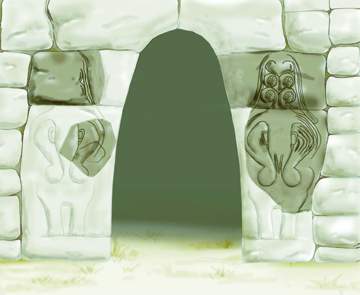
An der Ostseite der Oberstadt von Hattuscha, entlang des Weges, der zur Königsburg ansteigt, trägt eine geglättete Felswand eines der reizvollsten Monumente des gesamten Geländes: eine lange Inschrift in anatolischen Hieroglyphen, bekannt als Nişantaş, nach dem türkischen Wort für „gezeichneter Stein“. In einen natürlichen Felsrücken von etwa 8,5 Metern Breite geschlagen, machen ihre elf Zeilen sie zur längsten bekannten Hieroglypheninschrift der Hethiter. Sie stammt von Šuppiluliuma II., dem letzten König, der für die Hauptstadt vor ihrem Untergang bezeugt ist.
Ein verwittertes Königsdenkmal
Anders als die scharf geschnittenen Reliefs im nahen Yazılıkaya ist der Text von Nişantaş stark abgewittert. Jahrhunderte im Freien haben die flach eingehauenen Zeichen so weit abgetragen, dass sich der größte Teil der Inschrift dem Lesen entzieht, und die Forschung ringt seit dem 19. Jahrhundert mit den erhaltenen Spuren. Gesichert ist allein die erste Zeile: Sie nennt „Šuppiluliuma, Großkönig, Held, Sohn des Tudḫaliya, Großkönig, Held“ und weist das Denkmal damit der letzten Königsgeneration des Reiches zu. Was folgt, scheint eine Aufzählung der Titel und Taten des Königs zu sein, in jenem selbstfeiernden Stil, mit dem hethitische Herrscher ihre Leistungen in Stein setzten. Auf Tontafeln überlieferte Texte seiner Regierungszeit halten bemerkenswerte Ereignisse fest, darunter Seeschlachten vor der Küste Zyperns, und man nimmt an, dass die Inschrift Taten dieser Art gedenkt. In den letzten Jahren hat die Dokumentation mit hochauflösender Fotografie und dreidimensionalem Scannen begonnen, Zeichen zurückzugewinnen, die das bloße Auge nicht mehr erkennt.
Schon die Länge verrät den Anspruch. Šuppiluliuma II. beabsichtigte eine große öffentliche Aussage, gehauen an einer Hauptstraße der Hauptstadt, in einem Moment wachsender Belastung für das Reich.
Der Nordkomplex und das Siegelarchiv
Die Inschrift steht nicht für sich. Sie gehört zu einer Gruppe von Monumenten auf und um den Felsrücken Nişantepe, den die Ausgräber als Nordkomplex bezeichnen. Ganz in der Nähe stand ein monumentaler Bau, der Westbau, und 1990 und 1991 erbrachten seine Ruinen eines der reichsten Archive, die je auf dem Gelände gefunden wurden: mehr als 3.000 Tonbullen, gesiegelte Tonklumpen mit den Abdrücken von Königen, Königinnen, Prinzen und Beamten, dazu eine Reihe von Landschenkungsurkunden. Die Siegelungen hingen einst an Dokumenten und Behältern, die längst vergangen sind, und bewahren dennoch im Kleinen die Verwaltung und die königliche Genealogie der Spätzeit des Reiches.

Zusammengenommen geben die Inschrift von Nişantaş und das Archiv von Nişantepe dem Nordkomplex besondere Bedeutung für die Schlussphase des hethitischen Hattuscha. Beide datieren an das äußerste Ende des Reiches und zeigen ein Königtum, das seine Macht noch behauptete und seine Akten noch führte, während sich die weitere bronzezeitliche Welt dem Zusammenbruch näherte. Derselbe König hinterließ eine zweite Hieroglypheninschrift in der kraggewölbten Steinkammer der Südburg, neben den heiligen Teichen auf dem Rundgang durch die Oberstadt; zusammen bilden diese Texte die Schlusszeilen hethitischer Geschichte, geschrieben in der Stadt selbst.
Für Besucher wie für Forschende führt Nişantaş vor Augen, wie viel überdauert hat und wie viel verloren ist. Eine einzige verwitterte Felswand bewahrt die Worte eines Königs, dessen Reich im Begriff war zu verschwinden, während das Archiv daneben die Namen jener zurückgibt, die seinen Staat verwalteten. Es ist ein passender Schlusspunkt für einen Gang durch Hattuscha: die letzte Inschrift des letzten Königs eines einst großen Reiches, in Sichtweite der Burg, in der seine ganze Geschichte begann.